Compare Local Contractors for Residential Fire Restoration Services
Compare local contractors for residential fire restoration to define scope, verify experience, and set clear expectations in writing for a successful rebuild.
Residential fire restoration contractors handle a range of services aimed at repairing and restoring homes affected by fire damage. Their work typically includes assessing the extent of damage, removing debris, cleaning soot and smoke residues, and restoring structural elements such as walls, floors, and ceilings. Additionally, these contractors often address issues related to water damage from firefighting efforts, mold prevention, and replacing damaged fixtures or finishes. The goal is to return the property to a safe, stable condition that minimizes long-term risks and helps homeowners regain their living space.
Clearly defining the scope of work is essential when working with fire restoration contractors. A detailed scope helps ensure that all necessary tasks are understood and agreed upon before work begins, reducing the risk of misunderstandings or omissions. It also provides a basis for documenting expectations and responsibilities, which can be valuable if any disputes or adjustments arise during the project. Property owners should work with contractors to outline specific tasks, materials, and standards to be met, creating a clear framework for the restoration process.
Comparing local contractors involves evaluating their experience, reputation, and how they approach projects similar to fire restoration. Property owners can start by researching companies’ backgrounds, seeking references or reviews from previous clients, and verifying their familiarity with fire damage repairs. It’s also helpful to review how each contractor plans to define the scope of work and communicate expectations in writing. By considering these factors, property owners can make informed decisions about which service providers are best suited to handle the unique requirements of fire restoration in their area.
Compare local contractors by outlining your priorities, verifying experience, and setting clear expectations in writing.
- Compare Contractor Qualifications - Review the experience and credentials of service providers to ensure they meet project needs.
- Define Project Scope Clearly - Establish detailed work descriptions to set expectations and prevent misunderstandings.
- Verify Past Work and References - Assess previous projects and seek references to gauge reliability and quality.
- Document Agreements in Writing - Ensure all project details, responsibilities, and expectations are confirmed in written contracts.
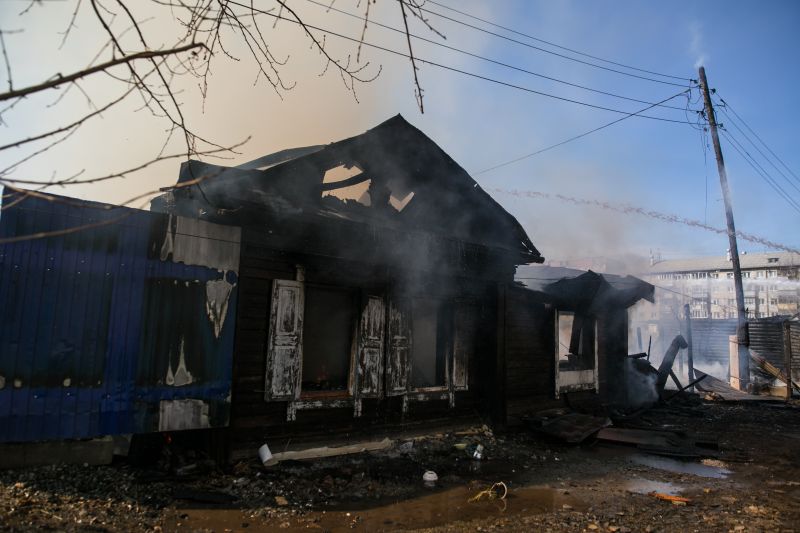
Clearly describe your fire restoration project to effectively compare local contractors, verify experience, and set expectations in writing.
- Verify experience and expertise in residential fire restoration to ensure contractors understand the scope of fire damage repair. - Look for service providers with a proven track record in handling residential fire damage to ensure quality work.
- Define the scope of work clearly and in writing to set expectations for the restoration process and deliverables. - Ensure that all project details, responsibilities, and outcomes are documented before work begins.
- Assess the ability of local contractors to handle fire damage cleanup, soot removal, and structural repairs effectively. - Confirm that service providers have the necessary skills to address all aspects of fire restoration.
- Check references or reviews to evaluate the reliability and quality of previous fire restoration projects completed by the contractor. - Gather insights into their performance and customer satisfaction from past clients.
- Ensure that the scope of work includes mitigation of hazards such as smoke odor, water damage, and structural instability. - Clarify that the service provider can address secondary damages caused by firefighting efforts.
- Compare the scope of services offered by different local contractors to identify those with comprehensive fire restoration capabilities. - Look for providers who can handle all phases of the restoration process for a seamless experience.
Compare local contractors' experience and services to clearly define your fire restoration scope and expectations.
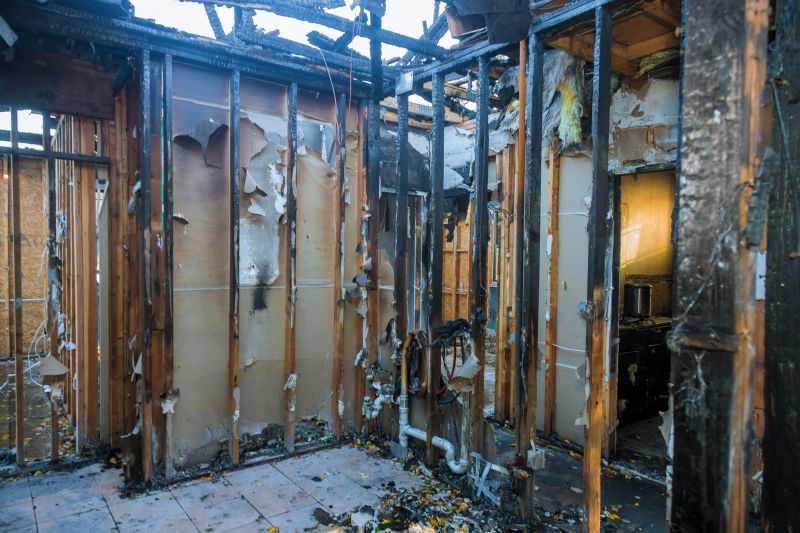
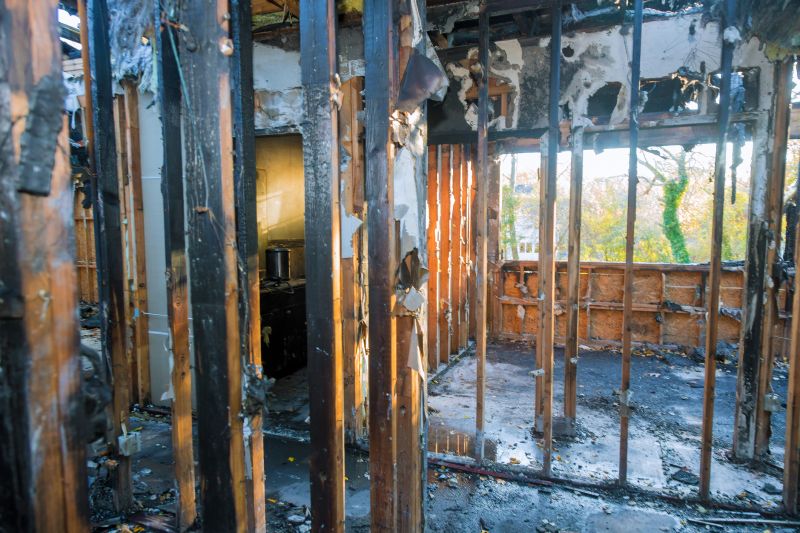
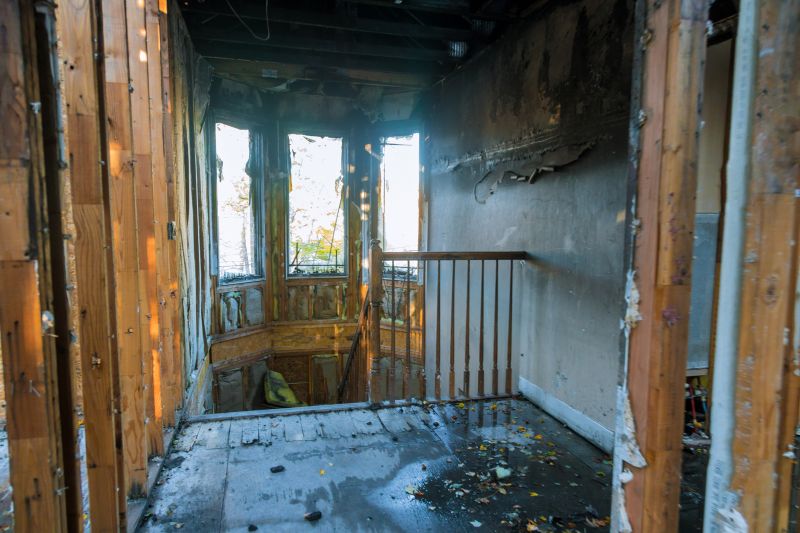
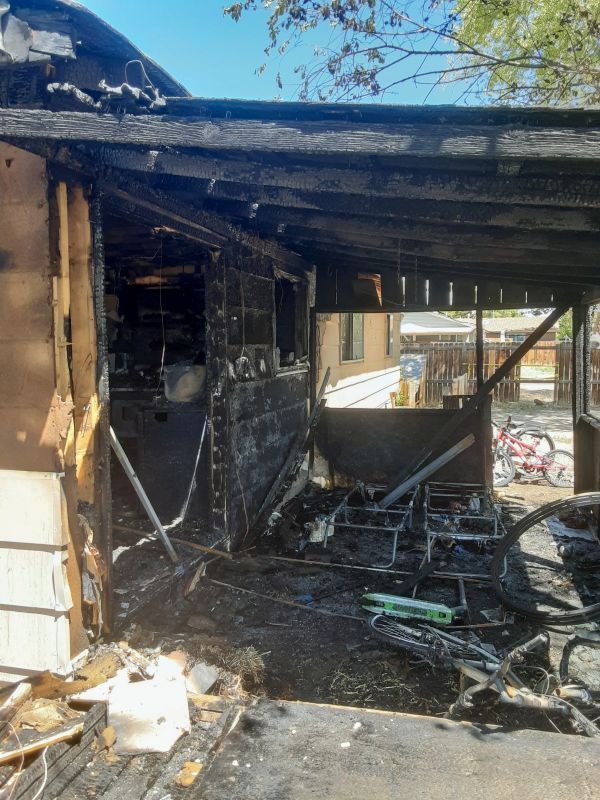
Use consistent scope definitions and verify experience to effectively compare local contractors for residential fire restoration.
- Define the scope of fire damage restoration required to ensure clarity on the extent of work needed.
- Identify the types of services and specific tasks that the local contractors will perform during the restoration process.
- Verify the experience and background of service providers in handling residential fire damage repairs.
- Establish written agreements that outline the scope, responsibilities, and expectations for the restoration project.
- Compare multiple local contractors to evaluate their approach, experience, and ability to meet project requirements.
When evaluating contractors for residential fire restoration, it’s important to consider their experience with similar projects. Service providers who have handled fire damage restoration in homes comparable in size and scope are more likely to understand the unique challenges involved. Inquire about the types of fires they have responded to and the range of properties they have worked on to gauge their familiarity with the process. A contractor’s past work in fire restoration can provide insight into their ability to manage the specific needs of a home affected by fire, smoke, and water damage.
A clear, written scope of work is essential when comparing contractors. This document should outline each phase of the restoration process, including demolition, cleaning, repairs, and final touches. A detailed scope helps ensure that both parties have aligned expectations and understand the extent of the work involved. When reviewing proposals or descriptions, look for transparency and specific language that addresses the particular aspects of fire damage repair. This clarity can serve as a foundation for effective communication and project management throughout the restoration.
Verification basics are key to assessing the credibility of service providers. While licensing and certification are not explicitly discussed here, it’s advisable to verify references or reviews from previous clients who have experienced similar fire restoration projects. Confirm that the contractors have a track record of completing work on time and within scope, and ask about their approach to handling unforeseen issues. Gathering this information helps ensure that the chosen service providers have a history of reliable performance and can be trusted with sensitive, complex restoration tasks.
When comparing options, focus on how well each contractor’s approach aligns with the specific needs of the home and project. Evaluate the thoroughness of their scope, the clarity of their communication, and their experience with similar projects. It’s also helpful to ask service providers about their process for managing unexpected challenges and how they document the work performed. By focusing on these practical aspects, homeowners can make informed decisions based on quality, professionalism, and fit for the project, rather than price alone.
Ask contractors to provide written scope of work to ensure clear, consistent expectations for fire restoration services.
- Experience and Expertise - What specific experience do contractors have with residential fire restoration projects?
- Scope of Work - How do contractors define and outline the scope of restoration services to ensure clarity?
- Comparison of Services - What services do different local contractors include in their fire restoration offerings?
- Communication and Expectations - How do contractors document project details and set clear expectations in writing?
- Qualifications and References - Can contractors provide references or examples of previous fire restoration work for verification?
How can I compare contractors for residential fire restoration? To compare contractors, review their experience with fire damage projects, ask for references, and verify their familiarity with restoration processes. Ensuring they understand the scope of work helps in making an informed choice.
What should I consider when defining the scope of fire restoration work? Clearly outline the areas affected, the types of damage, and the services needed, such as debris removal, structural repairs, and odor mitigation. Documenting these details helps contractors provide accurate information and sets clear expectations.
How can I verify a contractor’s experience with fire restoration? Ask for details about previous fire damage projects, including the size and complexity of those jobs. Request references or reviews from past clients to assess their expertise and reliability in handling similar restorations.
What is important to include in a written agreement with a contractor? The agreement should specify the scope of work, materials to be used, project milestones, and responsibilities of each party. Having these details in writing helps prevent misunderstandings and ensures clarity throughout the project.
How do I ensure the contractor understands the extent of the damage? Provide detailed descriptions and, if possible, documentation of the fire damage. Discuss the scope thoroughly to confirm the contractor’s understanding and ability to address all affected areas.
Why is it important to review a contractor’s references and past work? Reviewing references and past projects helps verify their experience, quality of work, and reliability, aiding in selecting a contractor capable of handling the specific needs of fire restoration.
This page has provided an overview of key considerations when selecting contractors for residential fire restoration. Visitors learned the importance of clearly defining the scope of work, verifying the experience of service providers, and putting expectations in writing to ensure a smooth process. Comparing multiple local contractors can help identify those best suited to meet specific restoration needs.
To find the right professional for the job, use the quote form to connect with experienced service providers in the area. This allows for a straightforward way to explore options, gather information, and make informed decisions based on the qualifications and offerings of local contractors.